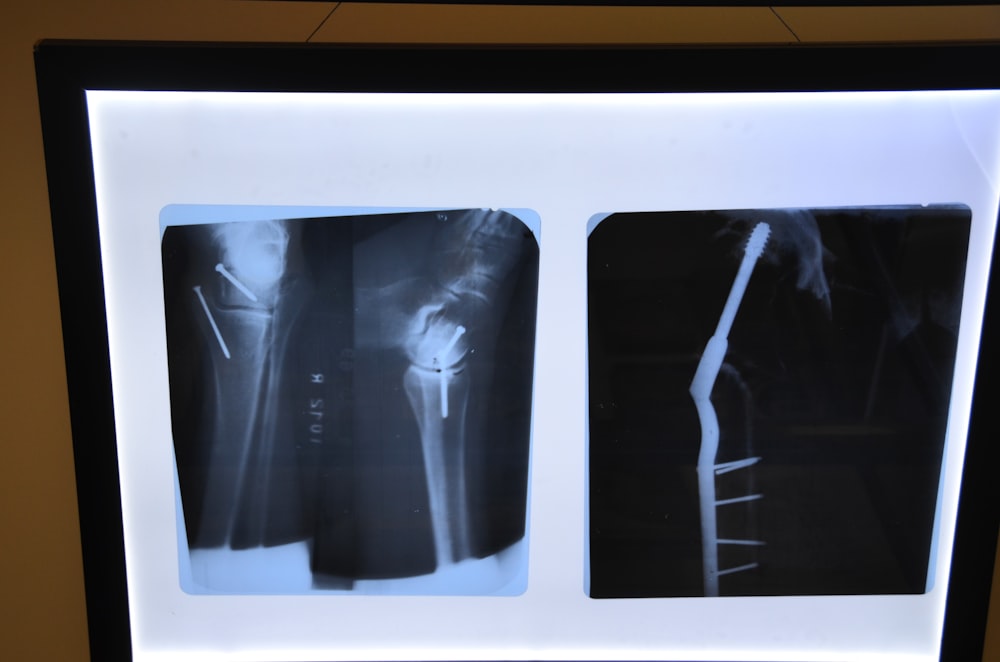
Spinal Implants Explained: When You Need Them and What to Expect
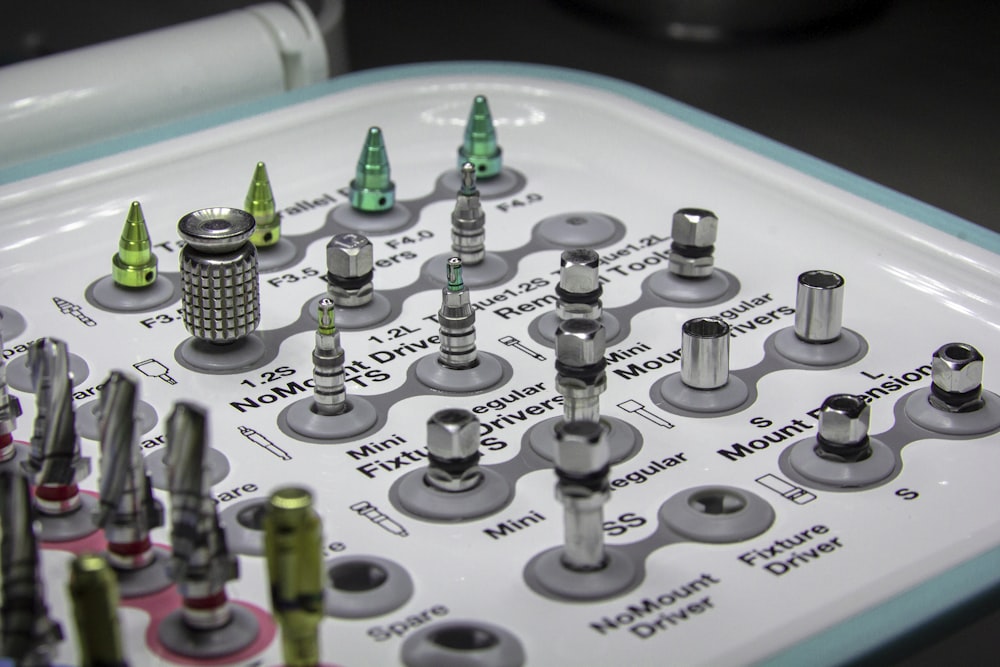
Spine surgery can relieve pain, restore stability and improve quality of life when other treatments have not worked. For patients and providers in Jamaica, understanding the role of spinal implants helps set realistic expectations. This guide gives an overview of spine surgery, the main types of spinal implants and what recovery involves.
Spine Surgery Overview
Most spinal procedures aim to do one of two things: decompress nerves that are being pinched, and stabilize segments of the spine that are unstable or painful. Stabilization is often achieved with spinal fusion, in which two or more vertebrae are joined so they heal into a single solid unit. Implants hold the bones in the correct position while fusion occurs.
When Is Spine Surgery Needed?
Surgery is usually considered only after conservative care — rest, medication, physiotherapy and injections — has been tried. Common reasons include:
- Degenerative disc disease causing persistent pain or instability
- Spinal stenosis with nerve compression
- Spondylolisthesis (slipping of one vertebra on another)
- Scoliosis or other deformity requiring correction
- Fractures or trauma that destabilize the spine
- Herniated discs causing ongoing nerve symptoms
Types of Spinal Implants
Pedicle Screws and Rods
Pedicle screws are anchored into the strong pedicle bone of each vertebra and connected by rods to create a rigid construct. They are the workhorse of posterior spinal fusion, providing the stability needed for the bones to fuse. Our Polyaxial Pedicle Screw System uses angulating heads that make rod capture easier across multiple levels.
Interbody Fusion Cages
A fusion cage is placed in the disc space after a damaged disc is removed. It restores disc height, supports alignment and holds bone graft to promote fusion. Cervical cages made from PEEK, such as our Cervical Interbody Fusion Cage, are radiolucent and have a bone-like stiffness that supports healing.
Plates and Other Hardware
Depending on the procedure, surgeons may also use anterior plates, hooks or connectors. The combination is tailored to the patient's anatomy and the goals of surgery.
What to Expect from Surgery
Spine surgery is performed under careful planning and imaging. The surgeon decompresses any pinched nerves, places the implants and adds bone graft where fusion is intended. Modern techniques, including minimally invasive approaches in suitable cases, aim to reduce tissue disruption and speed recovery.
The Recovery Process
Recovery from spinal fusion is gradual because bone needs time to heal. A typical pathway includes:
- Early days: gentle walking is encouraged; pain is managed with a structured plan
- First weeks: activity is increased slowly, with limits on bending, lifting and twisting
- Months 2 to 6: physiotherapy builds core strength and the fusion matures
- Months 6 to 12: many patients reach a stable, lasting result as fusion completes
Following the surgeon's restrictions during the healing phase is essential to a successful fusion.
Quality and Certification Matter
Because spinal implants remain in the body permanently, quality is paramount. Choosing implants that carry ISO 13485, FDA, CE and CDSCO certification ensures rigorous quality control, biocompatible materials and full traceability.
Our Spinal Products
Krishna Orthopedic Equipments supplies certified spinal systems — including the Polyaxial Pedicle Screw System and the Cervical Interbody Fusion Cage — to hospitals across Jamaica and the Caribbean. Contact our team to discuss sizing, instrumentation and supply for your spine programme.
About the Author
Krishna Orthopedic Clinical Team
The Krishna Orthopedic Equipments clinical and regulatory team writes about orthopedic implants, surgical standards and patient recovery to support hospitals, surgeons and patients across Jamaica and the Caribbean. Content is for general education and is not a substitute for professional medical advice.